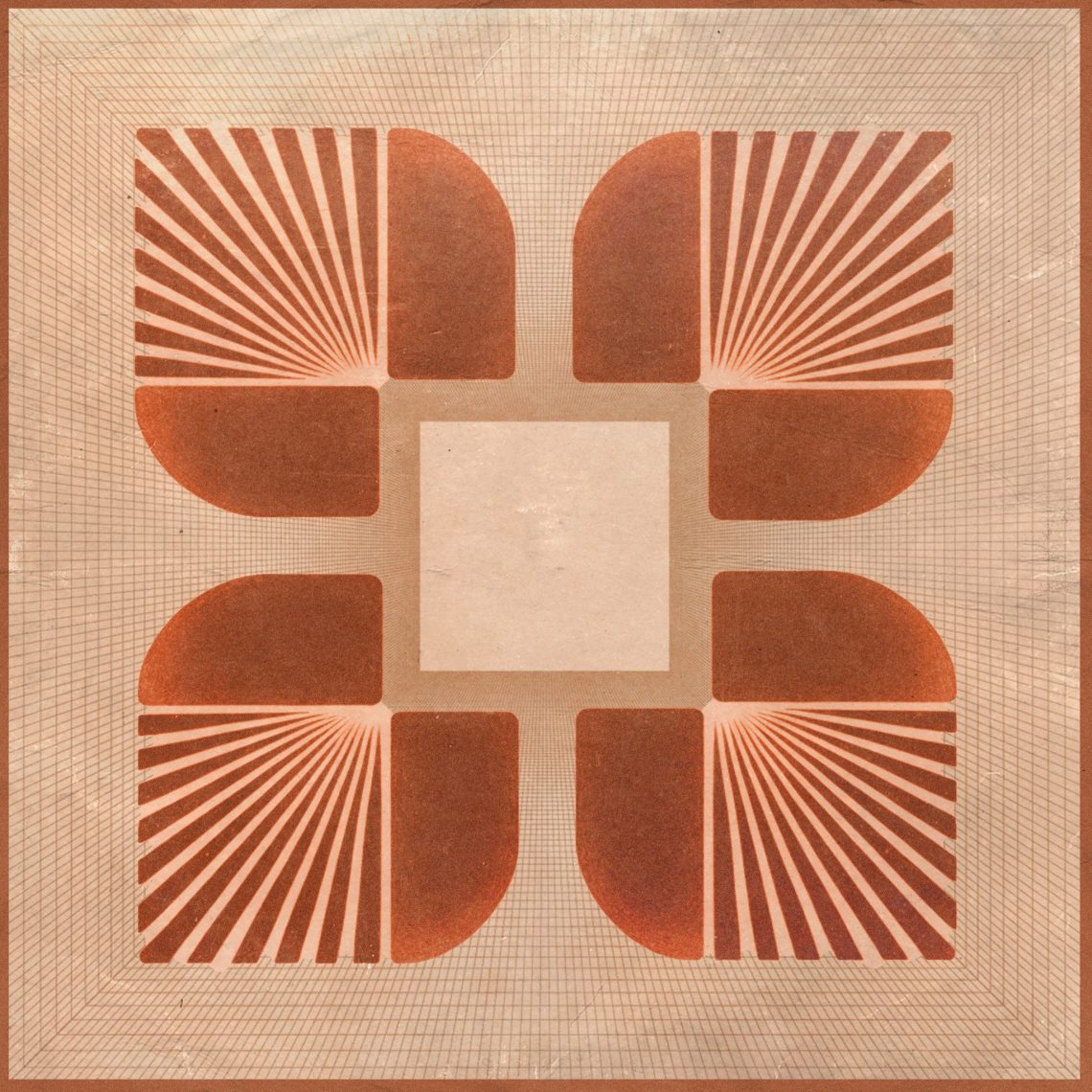
Back in February, New Zealand’s own Lamp of the Universe released their first album in about three years, Existence of the Self. Going into my listening session, I was expecting a fusion of classical Indian music, sitar instrumentals, and elements of psychedelic rock. I’m not entirely certain I got that fusion on each song on this album. As described on Bandcamp, this album is touted as “transcendental, meditative, [and] tranced”. I was intrigued to see what this album had in store.
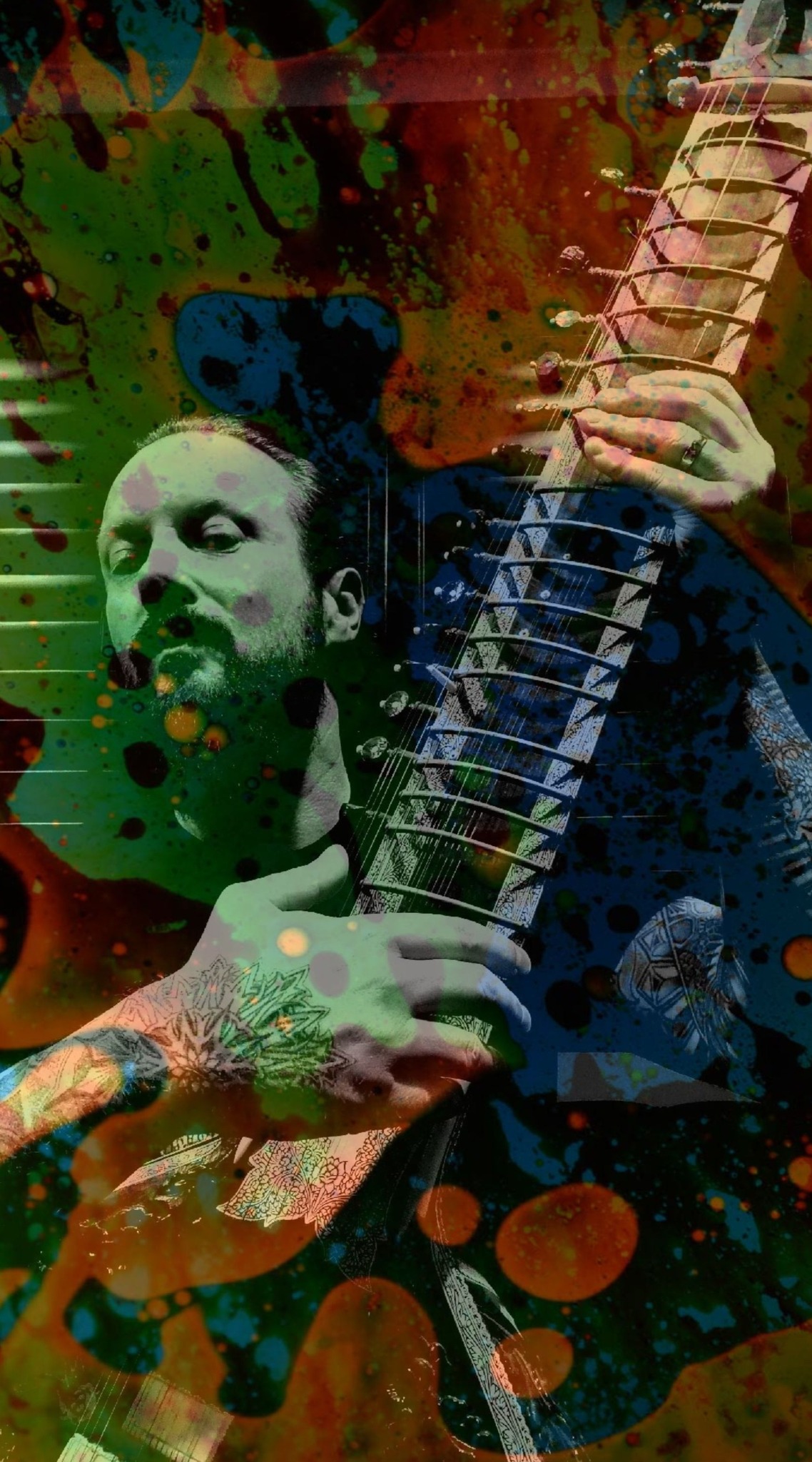
The opening track and the second track, “Sceptre of Healing” and “Ship of Eternity”, respectively, felt extraordinarily like I didn’t quite get the mix or fusion I was hoping for. Instead, we really got Craig Williamson, the artist behind Lamp of the Universe, singing over a raga. I don’t find either track to be very innovative or like they were an interesting take on a raga through a psychedelic lens. There were a few elements that felt like they were put in place to say that it wasn’t just Williamson singing over a raga, such as the flute melodics over “Sceptre of Healing” or the sort-of drum pad drone that seems to be used like a shruti box in “Ship of Eternity”. The raga structures and instrumentals were very nice, but exactly what I would expect of a raga – nothing to me that really sets it apart from any other musician playing a raga.
The third track, “Mantric Waves”, starts out in a much different tone than the previous tracks. In a strange way, the beginning few measures reminded me quite a bit of Tame Impala, particularly his track “Borderline”. Within the first minute of the song, “Mantric Waves” already delivers far better on the promise of this fusion I was really hoping for. It blends far more elements of psychedelic rock, like the piano melodies and the keyboard synthesizers. It also really delivers on the meditative and tranced parts of the album blurb. I enjoy the layers of synthesizers and sitar on this track – I think they play off each other in an interesting way. The melodies aren’t the same on the sitar or the synthesizers, but their contrast of Western and Eastern melodic traditions make for a very pleasing, complimentary sound.
The next song, “Into the Light”, really leans into contemporary psychedelic rock. To my ears, there is a relatively noticeable lack of influences from Indian music – we lose the sitar, the shruti box, and the more complex melodic structures that have been present throughout the previous tracks on the album. Comparatively, “Into the Light” feels far more stripped back than each of the other songs and is a bit of a tonal shift. Immediately following this contemporary psych track, we return to this fusion style on the title track, “Existence of the Self”. The shruti box makes a return on this track, supporting the reverb-heavy vocals and the distorted, fuzzy guitars. The tone of this song leans very warm, whereas the previous four tracks lean into a colder tone – it makes a sort of tonal “peak” here.
The final song, “Arkkadian Ritual”, returns to a heavy classical Indian influence. I prefer this final track to the first two songs on the album, which were the other two songs that were heavily influence by classical Indian music. This song definitely ticks the “meditative” box on the album blurb – it’s reverb-heavy and features a lot of drone in the sonic foundation and has quite a drone-y synth melody. I also really enjoy the percussion – there’s a drum that I believe is a tabla drum, but I’m not entirely sure. The best way I can describe it is very round and bouncy – almost aquatic sounding, even. This bouncy percussive element is featured throughout the track and is an interesting accentuation to the shruti box and reverbed vocals.
Overall, this album was an interesting listen. The most successful tracks were “Mantric Waves” and “Existence of the Self”, as they really achieved that 50/50 fusion of the main influences of the album – the tracks that leaned more into one genre influence over the other lost a bit of what they were trying to achieve.
If you would like to support Lamp of the Universe, you can find them on Bandcamp, YouTube, or Facebook.